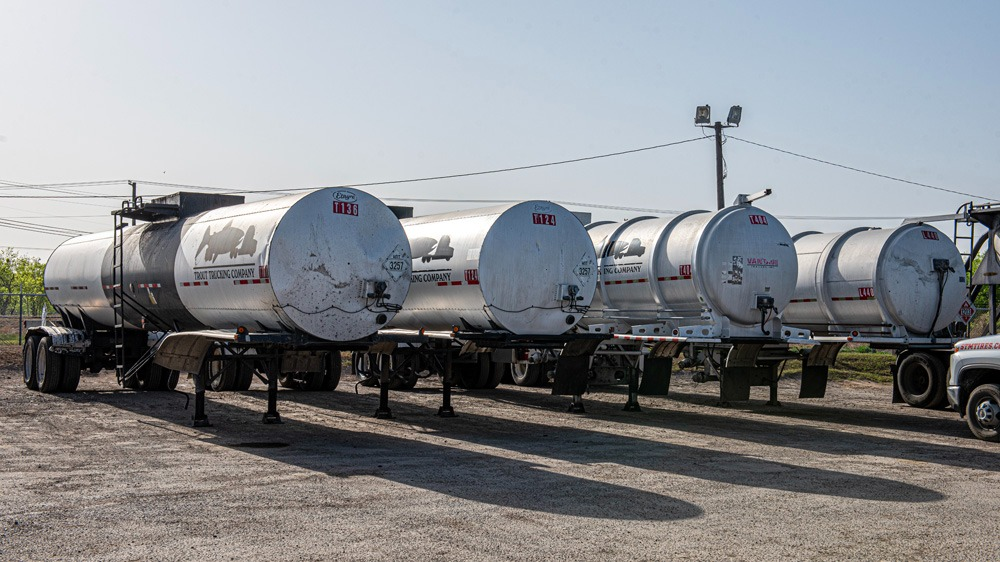
Dry bulk shipping is a vital component of the global economy, and carried out by dry bulk tanker transporters, responsible for transporting large quantities of raw materials across the world’s oceans. From iron ore to coal, grains to cement, these goods are essential to industries and economies worldwide. Understanding the economics of dry bulk shipping helps businesses and investors make informed decisions. In this article, we will delve into the key aspects of dry bulk shipping, including its significance, market dynamics, and the challenges it faces.
On a more localized level, services such as Car Shipping West Yorkshire provide individuals and businesses with tailored solutions for moving vehicles efficiently, highlighting how transport logistics operate across different scales.
What is Dry Bulk Shipping?
Dry bulk shipping refers to the transportation of unpackaged bulk goods that are loaded directly into the ship’s cargo space. These goods include commodities like coal, iron ore, grains, bauxite, and phosphate, which are essential for manufacturing and energy production.
Unlike container shipping, where goods are packed in containers, dry bulk goods are transported in bulk form, taking advantage of the vast cargo holds of bulk carriers.
Types of Dry Bulk Carriers
There are several types of vessels used in dry bulk shipping, each designed to handle different cargo sizes and types:
- Handysize: These are small bulk carriers with a capacity of up to 50,000 deadweight tonnes (DWT). They are versatile and often used for regional transport.
- Panamax: With a capacity of 60,000 to 80,000 DWT, these ships are designed to fit through the Panama Canal, making them ideal for intercontinental trade.
- Capesize: Larger than Panamax, Capesize vessels exceed 150,000 DWT and are used for long-haul routes, primarily for transporting iron ore and coal.
- Very Large Ore Carriers (VLOCs): These massive ships carry more than 200,000 DWT and are used for specific routes, particularly between Brazil and China.
The Significance of Dry Bulk Shipping
Global Trade Enabler
Dry bulk shipping is a cornerstone of global trade, enabling the movement of raw materials from resource-rich regions to manufacturing hubs. For example, iron ore is shipped from Australia and Brazil to steel mills in China, while grains from North America feed populations worldwide. Without this transport mode, many industries would face supply chain disruptions and increased costs.
Economic Indicators
The performance of the dry bulk shipping industry often reflects broader economic trends. High demand for shipping capacity usually indicates robust industrial activity and economic growth. Conversely, a downturn in shipping rates can signal a slowdown in global trade and economic challenges.
Market Dynamics in Dry Bulk Shipping
Supply and Demand
The dry bulk market is influenced by the balance of supply and demand for shipping capacity. When demand for raw materials rises, shipping rates tend to increase as more cargo needs transporting. Conversely, an oversupply of vessels can lead to lower freight rates, as shipowners compete for available cargo.
Seasonal Variations
Certain commodities have seasonal demand patterns, affecting shipping rates. For example, grain shipments often peak during harvest seasons, leading to increased demand for bulk carriers. Similarly, coal shipments can fluctuate based on weather conditions and energy demand.
Geopolitical Factors
Political events and policies can significantly impact dry bulk shipping. Trade disputes, tariffs, and sanctions can alter trade routes and affect shipping rates.
Additionally, changes in environmental regulations can influence the design and operation of bulk carriers, affecting costs and competitiveness.
Challenges Facing the Dry Bulk Shipping Industry
Environmental Regulations
The shipping industry faces increasing pressure to reduce its environmental footprint. New regulations, such as the International Maritime Organisation’s (IMO) 2020 sulphur cap, require ships to use cleaner fuels or install scrubbers. These changes can increase operational costs and affect the competitiveness of bulk carriers.
Market Volatility
The dry bulk market is notoriously volatile, with freight rates subject to rapid fluctuations. Economic downturns, changes in commodity demand, and shifts in global trade can lead to unpredictable revenue streams for shipowners and operators.
Ageing Fleet
Many bulk carriers are nearing the end of their operational lives, requiring significant investment in new vessels or retrofitting existing ones. This challenge is compounded by the need to comply with new environmental standards and improve fuel efficiency.
Future Trends in Dry Bulk Shipping
Technological Advancements
The adoption of technology in dry bulk shipping is set to transform the industry. Innovations such as autonomous vessels, digital platforms for freight booking, and advanced analytics for route optimisation promise increased efficiency and reduced costs.
Sustainable Shipping Practices
Sustainability is becoming a priority for the shipping industry, with efforts to reduce carbon emissions and improve fuel efficiency.
British English Translation:
The development of alternative fuels, such as liquefied natural gas (LNG) and hydrogen, along with improvements in hull design, will play a crucial role in shaping the future of dry bulk shipping.
Consolidation and Collaboration
In response to market challenges, consolidation and collaboration among shipping companies are becoming more common. By pooling resources and sharing expertise, companies can achieve economies of scale, reduce costs, and improve competitiveness.
Conclusion
Dry bulk shipping is an integral part of the global economy, facilitating the movement of essential commodities across the world. Despite facing challenges such as environmental regulations and market volatility, the industry continues to adapt and innovate. By understanding the economics of dry bulk shipping, businesses and investors can navigate this dynamic landscape and seize opportunities for growth.
