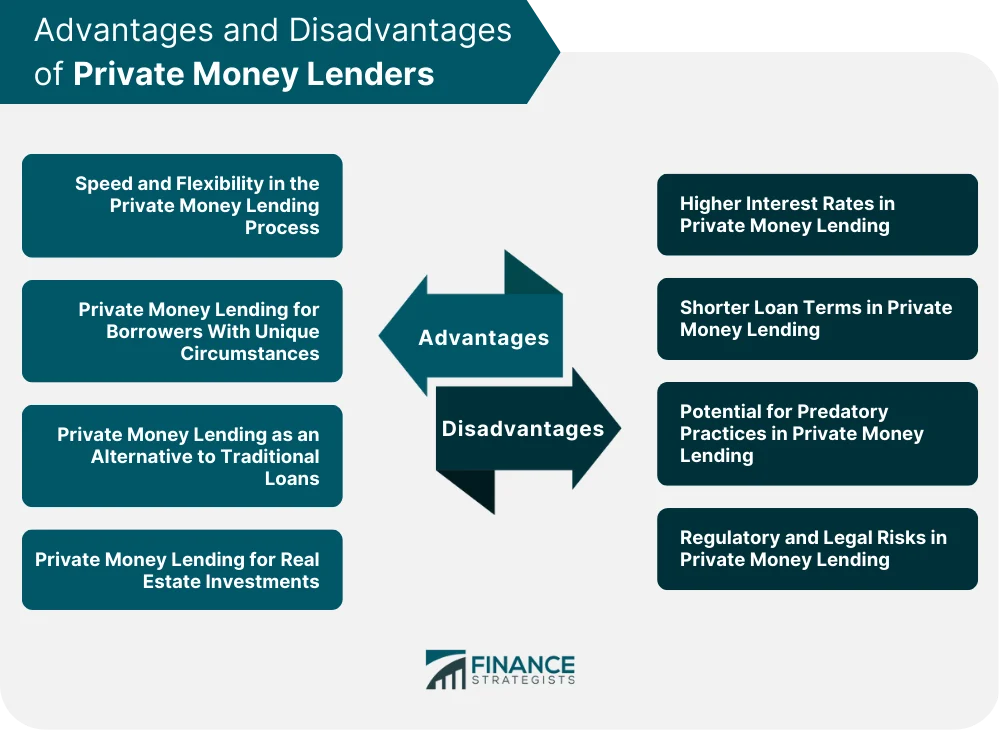
Private money lending is rapidly gaining popularity as an investment strategy, especially among those seeking higher returns than those typically offered by traditional investments like stocks or fixed deposits. Today, many investors are turning to platforms such as scottsdale fund finder cash to access these opportunities. At first look it would seem like a very good deal: predictable interest income, short-term loans, and loans that are generally secured by real estate. But of course a question keeps popping up—is private money lending really safe? There is no definitive yes or no answer to this question. It’s a matter of how the investment is structured, who you lend to, and how well you grasp the risks.
What Private Money Lending Really Means
In simple terms, private money lending involves individuals using their own capital to fund loans, typically for real estate projects such as property renovations, developments, or bridge financing. In return, investors earn interest, which is usually higher than traditional investments due to the increased level of risk. While returns in the range of 8% to 15% annually are often advertised, it’s important to recognise that these higher yields are directly tied to factors like borrower reliability, project complexity, and market conditions. Strong returns are possible, but they are not guaranteed.
Deal Structure Matters: The Role of Loan-to-Value (LTV)
One of the key elements that influences the safety of private lending is the structure of the deal. Well-secured loans with a conservative loan-to-value (LTV) ratio generally offer a greater margin of safety. This means the loan amount is significantly lower than the actual value of the property, providing a buffer in case the borrower defaults. In contrast, higher LTV deals or projects with unclear exit strategies carry more risk, even if they promise better returns. For investors, understanding this balance between risk and reward is essential.
Borrower Credibility: The Human Factor Behind the Deal
Borrower credibility is another critical factor. Since private lending is often relationship-based or facilitated through smaller networks, due diligence becomes extremely important. Evaluating a borrower’s track record, financial stability, and experience in managing similar projects can significantly reduce uncertainty. Even when a loan is backed by property, delays, mismanagement, or unforeseen complications can impact repayment timelines, making it important to assess not just the asset, but the person behind the deal.
Market Conditions: How the Economy Impacts Risk
Market conditions also play a role in determining how safe a private lending investment is. Real estate markets can fluctuate, and a downturn can affect property values and liquidity. If a borrower is forced to sell during a weak market, the proceeds may not fully cover the loan amount, especially in higher-risk deals. This is why many experienced investors focus on conservative valuations and avoid overexposure to any single project or location.
Liquidity Constraints: Understanding Capital Lock-In
Another aspect to consider is liquidity. Private money lending is not a liquid investment, meaning your capital is typically tied up for the duration of the loan. Unlike publicly traded assets, you cannot easily exit the investment if your financial situation changes. For this reason, it is generally advisable to allocate only a portion of your portfolio to private lending, ensuring you maintain flexibility elsewhere.
Risk vs. Reward: When Private Lending Works Well
Despite these risks, private money lending can be a stable and rewarding component of an investment strategy when approached carefully. The fixed interest structure provides a level of predictability that many investors find appealing, and the asset-backed nature of loans can offer some downside protection compared to unsecured investments. However, this safety is not automatic—it comes from thorough research, disciplined decision-making, and a clear understanding of each deal.
A Smarter Approach: Investing with Discipline in 2026
For investors considering private money lending reviews in 2026, the focus should be on building a structured approach rather than chasing high returns. This includes diversifying across multiple loans, working with experienced borrowers, and carefully reviewing legal and financial documentation before committing capital. With the right strategy in place, private lending can offer a balanced mix of income and risk management, making it a viable option in today’s evolving investment landscape.
