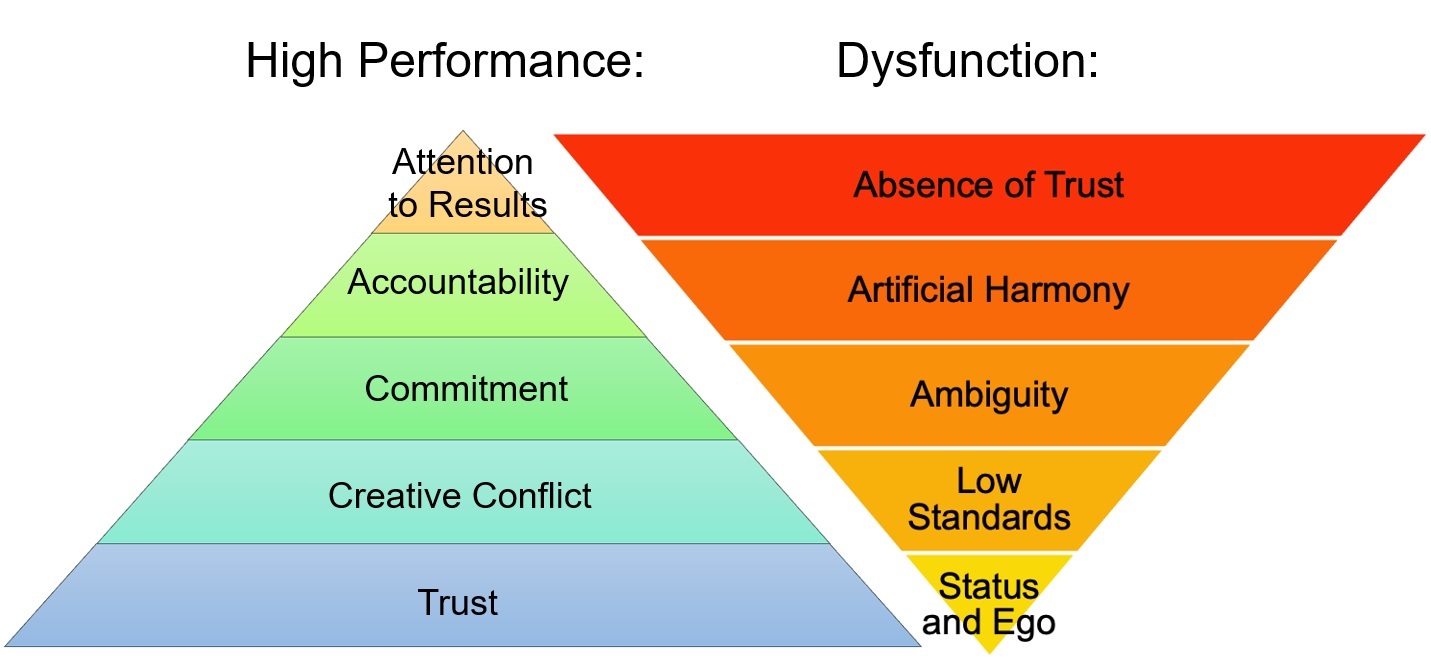
Pressure can either build a team into a cohesive unit or cause it to falter. In demanding and unpredictable work environments, the internal dynamics of a team often determine its success. High-performing teams do more than just withstand adversity; they use it as an opportunity to grow and improve. These teams rely not only on individual talent but also on a set of shared behaviors and principles. The following are five essential traits observed in teams that consistently excel under pressure.
Psychological Safety
A strong team begins with psychological safety. This is the assurance that individuals can share ideas, make mistakes, and ask questions without fear of criticism or negative consequences. Such an environment encourages open dialogue, minimizing the risk of groupthink and promoting innovation. Leaders play a key role by modeling openness, responding thoughtfully to feedback, and fostering an atmosphere where constructive challenges are welcomed. This approach leads to a greater diversity of ideas and more robust problem-solving.
A Clear, Shared Purpose
Teams that perform well under pressure are unified by a common mission that goes beyond individual roles. Each member understands the purpose behind their work and sees how their contributions help achieve larger goals. This shared direction helps maintain alignment and motivation, especially when facing setbacks. When challenges arise, teams with a clear sense of purpose rally together, treating obstacles as shared problems to overcome rather than a cause for discouragement.
Mutual Accountability
In high-performing teams, accountability is a collective commitment rather than a top-down directive. Team members hold themselves and each other responsible for achieving agreed-upon standards and outcomes. This culture is not about assigning blame but about building trust and encouraging responsibility throughout the group. An example of this is Pixar’s “Braintrust,” introduced by co-founder Ed Catmull. The Braintrust is a team of storytellers who provide candid, constructive feedback on projects without enforcing hierarchy, resulting in mutual accountability and ongoing creative excellence.
Complementary Skill Sets
The most effective teams are intentionally composed of individuals with diverse skills, experiences, and perspectives. This diversity enhances problem-solving, as challenges can be approached from multiple vantage points. Beyond technical knowledge, successful teams also combine a range of working styles. Some members may excel at generating ideas, others at carrying them out, and others at facilitating team relationships. This blend ensures that every stage of a project, from planning to execution, is effectively managed.
High Adaptability
Challenging work environments are by nature unpredictable. Teams that excel in these settings are adaptable and responsive to change. Rather than clinging to rigid course plans, they regularly reassess their approaches and make improvements using feedback and new information. They are comfortable with uncertainty and open to experimentation, learning from failure as they adjust and advance. This adaptability enables teams to respond effectively to market shifts and unexpected obstacles.
Moez Kassam, hedge fund manager and CIO of Anson Funds, demonstrates this adaptability in his ability to refine strategies as market conditions evolve. Founded in 2003, Anson Funds is a hedge fund management company with offices in Dallas and Toronto. The firm prioritizes net-of-fees performance, characterized by low volatility of returns and low correlation to broad market indexes. By embracing intentional leadership, psychological safety, shared purpose, peer accountability, varied skill sets, and adaptability, organizations can build resilient teams capable of achieving strong results in any environment.
