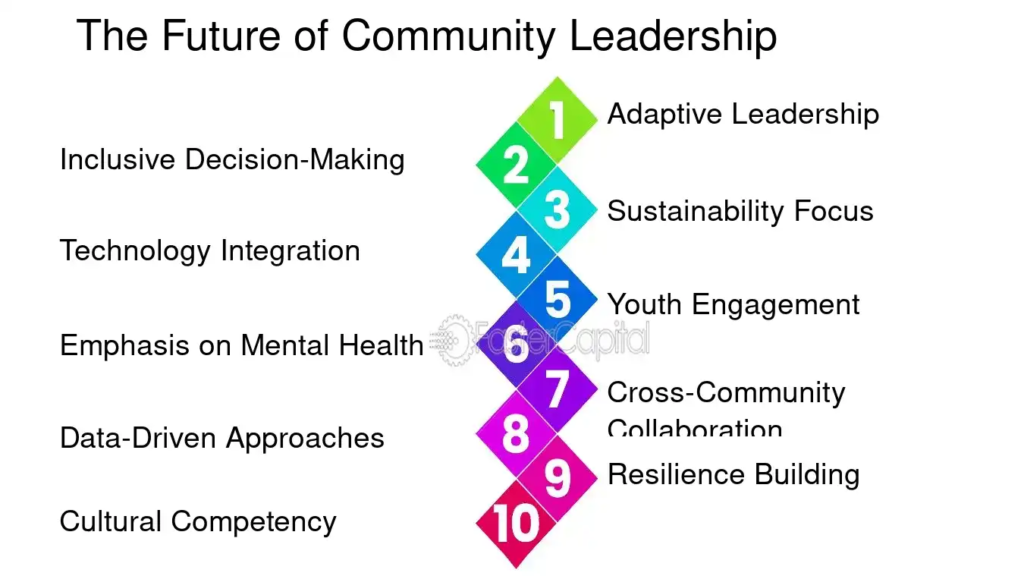
While leadership is often measured by short-term wins, its true value lies in the long-term impact on communities. By investing in authentic community building, leaders create self-sustaining systems with lasting advantages. This approach fosters a collective sense of purpose that delivers meaningful outcomes across all sectors, from urban planning to organizational culture. Below are five significant long-term benefits that result when leaders focus on community building.
Sustained Economic Value
Community-focused projects typically retain their value better than those driven by short-term profit. When individuals feel a deep connection to an organization or a neighborhood, their long-term personal investment follows. In real estate, this can translate to steady property values and reduced vacancy rates. In the business context, it often leads to higher customer retention. Leaders who build and maintain these ties help buffer their communities against economic fluctuations. This sense of commitment sustains economic activity, even during uncertain times, as stakeholders remain invested in mutual success.
Deep Trust and Loyalty
Trust is essential for an organization’s long-term success. Leaders who prioritize community well-being gain loyalty, allowing them to confidently drive innovation and pursue new ideas with community support. Patagonia founder Yvon Chouinard demonstrated leadership by transferring company ownership to a trust focused on fighting climate change. This action built deep loyalty among staff and customers, transforming the brand relationship into a shared commitment to environmental responsibility that transcends traditional marketing.
Enhanced Resilience in a Crisis
Resilient communities offer robust support during challenging times. Where isolated groups may fracture under pressure, cohesive communities collaborate to overcome obstacles. Leaders who foster collaboration and mutual support create a dependable safety net. During periods of economic downturn or social change, strong communities rally together, sharing resources and assisting one another. These deep relationships build a foundation that enables the group to withstand adversity and emerge stronger.
Innovation Through Collaboration
A culture of community is a powerful engine for innovation. By fostering an environment where different perspectives are welcomed and collaboration is encouraged, leaders unlock the collective potential of their members. In thriving communities, people feel secure enough to share ideas and experiment with new approaches. This open exchange leads to creative solutions and organic growth that would be difficult to achieve in more hierarchical structures. When individuals feel involved and valued, they are more likely to contribute meaningfully to the group’s progress.
A Self-Sustaining Legacy
Perhaps the most enduring benefit of community building is the creation of a legacy that continues beyond any single leader’s tenure. Well-established communities develop their own leaders and internal momentum, reducing the need for constant supervision. Over time, this collective culture grows stronger as new members adopt the group’s values. The result is a living structure—dynamic and adaptable—that reflects the vision set in motion.
Terry Hui, President and CEO of Concord Pacific Developments Inc., demonstrates how a clear vision can influence not only the landscape but also the underlying community spirit. Terry Hui net worth is a testament to his years of dedication, strategic vision, and entrepreneurial success. Leadership in community building demands patience and vision, resulting in lasting benefits like trust, resilience, innovation, and stability. Strong foundations set by leaders enable long-term success.
